a gentleman’s guide to love and murder plot
A Gentleman’s Guide to Love and Murder: A Comprehensive Overview
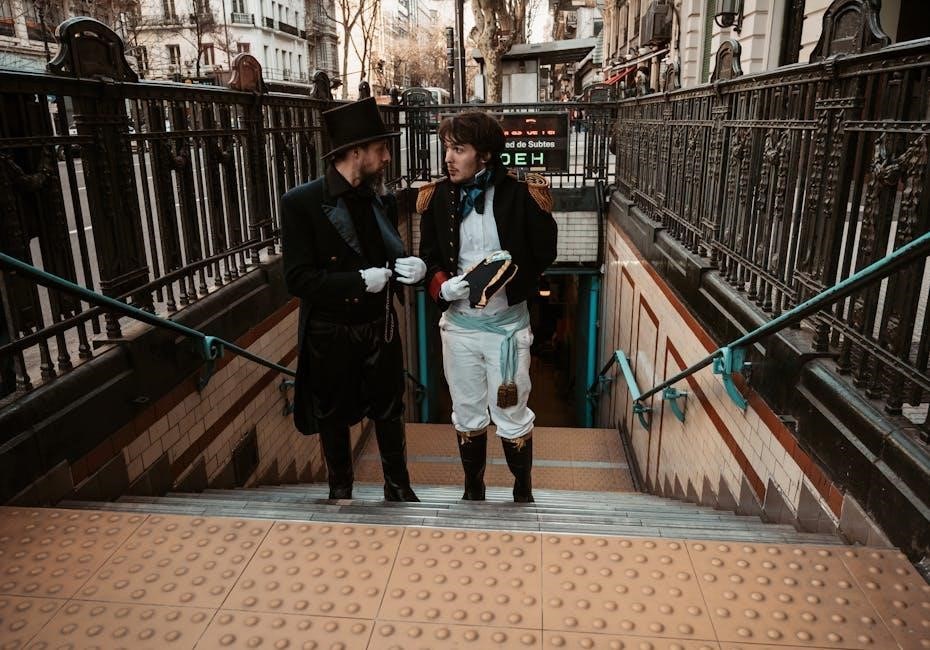
The narrative unfolds as Monty Navarro‚ a distant relative‚ schemes to claim a dukedom through a series of hilariously unfortunate “accidents” befalling the D’Ysquith family.
The Historical Context & Inspiration
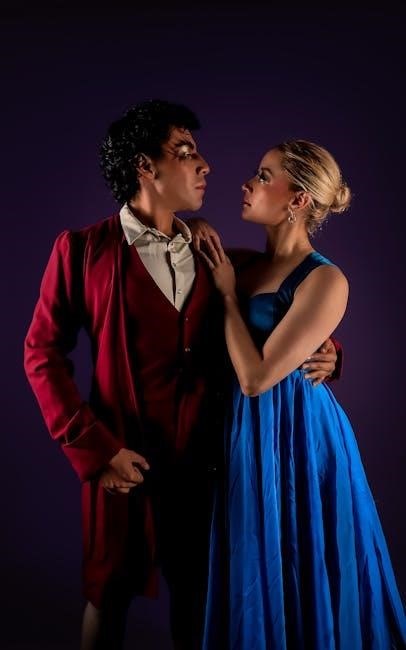
The musical draws significant inspiration from the 1949 novel Israel Rank: The Autobiography of a Criminal by Roy Horniman. This source material‚ a darkly comedic tale of a man systematically eliminating his relatives to inherit a title‚ provides the foundational plot for the stage adaptation. However‚ A Gentleman’s Guide isn’t a direct translation; it cleverly reimagines the story with a lighter‚ more farcical tone.
The Victorian era and the Edwardian period serve as the backdrop‚ reflecting a time of rigid social structures and the obsession with lineage and inheritance. The show satirizes the aristocratic system‚ highlighting the absurdity of primogeniture and the lengths to which individuals would go to secure wealth and status. The plot’s focus on inheritance disputes was a common theme in Victorian literature and society‚ adding a layer of historical resonance to the comedic mayhem;
The Farce Tradition & Its Influence
A Gentleman’s Guide to Love and Murder deeply embeds itself within the tradition of comedic farce‚ relying heavily on physical humor‚ mistaken identities‚ and improbable situations to propel the plot forward. The rapid-fire pace and exaggerated characterizations are hallmarks of the genre‚ creating a whirlwind of comedic energy as Monty Navarro attempts his increasingly audacious schemes.
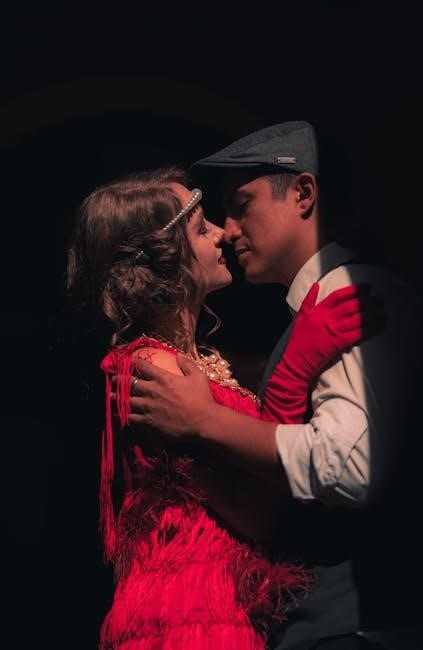
The show echoes classic farces like those of Georges Feydeau and William Shakespeare’s comedies‚ particularly in its use of doors‚ disguises‚ and near misses. Monty’s constant assumption of different identities to commit his murders is a classic farcical device. The plot’s reliance on escalating chaos and the characters’ obliviousness to the mayhem unfolding around them further solidify its place within this comedic lineage. The humor isn’t simply about the murders themselves‚ but the increasingly ridiculous attempts to conceal them.
Character Breakdown: The D’Ysquith Family
The D’Ysquith family serves as both the obstacle and the comedic engine of the plot‚ each member a uniquely eccentric and ultimately doomed individual. Their collective presence fuels Monty Navarro’s desperate attempts to ascend the family hierarchy. Sir Everard‚ the patriarch‚ embodies the stuffy tradition Monty seeks to dismantle. His relatives – Henry‚ Lord Asquith‚ and others – each possess distinct flaws and vulnerabilities that Monty exploits with calculated precision.
The family’s interconnectedness and shared arrogance create a rich tapestry of comedic potential. Each murder is not merely an act of desperation‚ but a dismantling of a specific D’Ysquith personality. The plot hinges on Monty’s ability to navigate their complex relationships and exploit their individual weaknesses‚ turning familial bonds into fatal flaws. Their eventual demise is presented with a darkly humorous tone‚ highlighting the absurdity of their aristocratic existence.
Sir Everard D’Ysquith: The Patriarch
Sir Everard D’Ysquith represents the established order and the primary obstacle to Monty Navarro’s ambitions. As the head of the family and the current Duke‚ his continued existence directly prevents Monty from inheriting the title. He embodies the rigid traditions and aloofness of the British aristocracy‚ making him a fitting target for Monty’s calculated schemes.
His character is defined by a sense of entitlement and a dismissive attitude towards those he deems beneath him‚ including Monty. The plot necessitates Sir Everard’s early removal‚ setting the stage for the escalating series of murders. Monty’s initial attempt to eliminate him establishes the darkly comedic tone of the show and demonstrates his willingness to go to extreme lengths. His death is the catalyst for the entire narrative‚ initiating Monty’s relentless pursuit of the dukedom.
Henry D’Ysquith: The Soldier
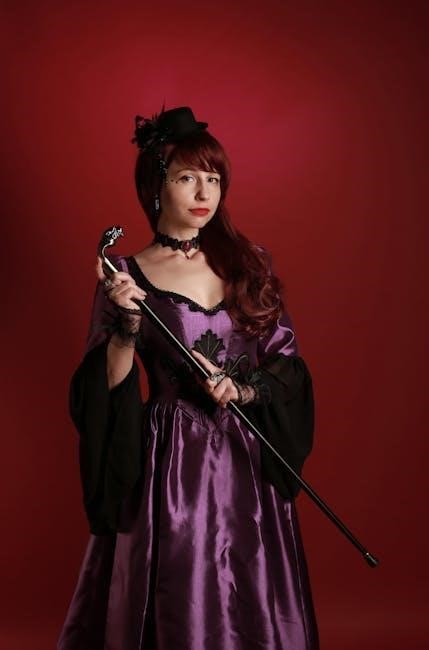
Henry D’Ysquith‚ the athletic and somewhat dim-witted soldier of the family‚ presents a unique challenge to Monty’s murderous plans. His physical prowess and active lifestyle require a more elaborate and ironic method of dispatch. He’s portrayed as a boisterous‚ uncomplicated character‚ contrasting sharply with the more refined members of the D’Ysquith clan.
His death‚ involving a bizarre mishap during a sporting event‚ exemplifies the show’s comedic approach to dark themes. Monty’s orchestration of Henry’s demise highlights the absurdity of his quest and the increasingly outlandish lengths he’s willing to go to. Removing Henry brings Monty closer to his goal‚ but also escalates the risk and complexity of his scheme. His passing is treated with a darkly humorous tone‚ furthering the show’s satirical edge and driving the plot forward.
Lord Asquith D’Ysquith: The Diplomat
Lord Asquith D’Ysquith‚ the family’s sophisticated diplomat‚ embodies a refined yet subtly menacing presence‚ posing a distinct obstacle for Monty Navarro. His intelligence and worldly experience necessitate a cunningly devised plan for his removal‚ one that avoids direct confrontation and relies on deception. Asquith’s diplomatic background suggests a keen awareness of intrigue‚ making him a more challenging target than his less perceptive relatives.
Monty’s method for eliminating Asquith‚ often involving a carefully constructed “accident” during a seemingly innocuous social gathering‚ underscores the show’s satirical commentary on British aristocracy. Successfully removing Asquith represents a significant advancement in Monty’s scheme‚ yet simultaneously raises the stakes and intensifies the comedic tension. His death‚ delivered with a darkly humorous touch‚ propels the narrative forward.
Monty Navarro: The Anti-Hero Protagonist
Monty Navarro‚ the show’s resourceful and ambitious anti-hero‚ drives the plot forward with his audacious scheme to infiltrate the D’Ysquith family and claim a dukedom. Driven by a desire for social standing and fueled by a long-held grievance‚ Monty embarks on a darkly comedic journey of calculated murder. He’s not inherently malicious‚ but rather opportunistic‚ willing to eliminate obstacles – the D’Ysquith heirs – to achieve his aspirations.
His narrative arc centers on balancing his murderous pursuits with a blossoming romance with Sibella Hallward‚ adding layers of complexity and comedic irony. Monty’s internal conflicts‚ coupled with his increasingly elaborate plots‚ create a compelling and entertaining character. He’s a charming rogue‚ whose actions are both reprehensible and strangely endearing‚ captivating the audience despite his villainous deeds.
Sibella Hallward: The Object of Affection & Complicity
Sibella Hallward serves as both the object of Monty Navarro’s affection and a willing accomplice in his audacious scheme to ascend the social ladder. She’s a captivating and independent woman‚ initially motivated by financial gain but gradually drawn into Monty’s world of intrigue and murder. Their relationship is a complex dance of attraction‚ manipulation‚ and shared ambition‚ adding a crucial romantic element to the darkly comedic plot.
Sibella’s involvement isn’t passive; she actively participates in Monty’s plans‚ offering her own cunning ideas and providing crucial support. Her complicity raises questions about morality and the lengths people will go to for love and social status. She embodies a captivating blend of charm and ruthlessness‚ making her a compelling and unforgettable character within the narrative’s unfolding events.

The Murder Methods: A Comedic Catalogue
A central element of the plot revolves around the increasingly elaborate and absurd methods Monty Navarro employs to eliminate the eight relatives standing between him and the dukedom. These aren’t grim or graphic depictions‚ but rather farcical accidents presented with a lighthearted‚ comedic touch. From accidental falls during pheasant hunting to unfortunate incidents involving poisonous sweets and precarious balconies‚ each demise is staged as a darkly humorous spectacle.
The comedic effect stems from the contrast between the gravity of murder and the ridiculousness of the execution; Monty’s attempts are often clumsy and reliant on sheer luck‚ highlighting the absurdity of his ambition. The show cleverly uses these deaths to propel the narrative forward‚ while simultaneously satirizing the conventions of the murder mystery genre and the eccentricities of the British aristocracy.
Musical Numbers & Their Narrative Function
The musical numbers in A Gentleman’s Guide to Love and Murder aren’t merely entertaining interludes; they are integral to advancing the plot and revealing Monty Navarro’s inner thoughts. Songs like “A Gentleman’s Guide to Love and Murder” establish the premise and Monty’s audacious goal‚ while “I’ve Got an Idea” directly showcases his scheming process and the planning of each unfortunate “accident.”
These musical sequences often employ quick changes and character transformations‚ with one actor portraying all eight of the D’Ysquith relatives Monty targets. This stylistic choice emphasizes Monty’s perspective and the chaotic nature of his pursuit. The songs also serve to heighten the comedic timing and underscore the satirical elements of the story‚ providing insight into Monty’s motivations and the escalating absurdity of his actions.
“A Gentleman’s Guide to Love and Murder” ౼ Opening Number
The opening number masterfully establishes the central conflict and Monty Navarro’s improbable quest. It introduces the audience to the D’Ysquith family‚ a lineage standing between Monty and the dukedom of Highbury‚ and immediately sets a tone of darkly comedic ambition. The song details the family history‚ highlighting each relative’s eccentricities and‚ crucially‚ their position in the line of succession.
Through lively choreography and rapid-fire lyrics‚ the number lays out the premise: Monty‚ a distant and impoverished relative‚ learns of his eligibility for the title and resolves to eliminate the eight preceding heirs. It’s a bold declaration of intent‚ presented with a playful energy that foreshadows the farcical murders to come. The song isn’t just exposition; it’s a promise of the chaotic and hilarious events that will unfold.
“I’ve Got an Idea” ⎼ Plotting the Murders
“I’ve Got an Idea” marks a pivotal moment where Monty Navarro fully commits to his murderous scheme. Following the realization of the dukedom’s possibility‚ this song showcases the initial stages of his plotting‚ fueled by a mix of desperation and opportunistic ambition. It’s a turning point‚ transitioning from hopeful aspiration to calculated malice‚ all delivered with a jaunty‚ upbeat tempo.
The number cleverly illustrates Monty’s brainstorming process‚ as he considers various methods for dispatching each D’Ysquith heir. It’s not about gruesome detail‚ but rather the comedic absurdity of his plans – a playful exploration of potential “accidents.” The song establishes the pattern of inventive‚ yet ultimately farcical‚ murder attempts that drive the narrative forward. It’s a crucial song in solidifying the show’s unique blend of dark humor and musical theatre conventions.
The Role of Comedy in Addressing Dark Themes
A Gentleman’s Guide to Love and Murder masterfully employs comedy to navigate the inherently dark subject matter of serial killing and familial greed. The show doesn’t shy away from the violence‚ but rather presents it through a lens of farcical exaggeration and witty wordplay‚ creating a disarming contrast. This comedic approach allows the audience to engage with uncomfortable themes – murder‚ social climbing‚ and inheritance – without being overwhelmed by their grim reality.
The humor functions as a distancing mechanism‚ enabling exploration of morality and ambition. Monty’s actions‚ while reprehensible‚ are presented with such playful absurdity that they become strangely entertaining. This isn’t to trivialize the violence‚ but to use it as a vehicle for satire‚ commenting on the lengths people will go to for power and status. The show’s success lies in its ability to balance the macabre with the mirthful‚ prompting reflection alongside laughter.
Staging & Production Design Elements
The production design of A Gentleman’s Guide to Love and Murder is remarkably clever‚ relying on a minimalist aesthetic to maximize comedic effect and storytelling efficiency. A single set largely represents all the D’Ysquith family estates‚ transforming with subtle yet impactful changes in furniture and props. This stylistic choice emphasizes the swift pace of Monty’s journey and the sheer number of relatives he must dispatch.
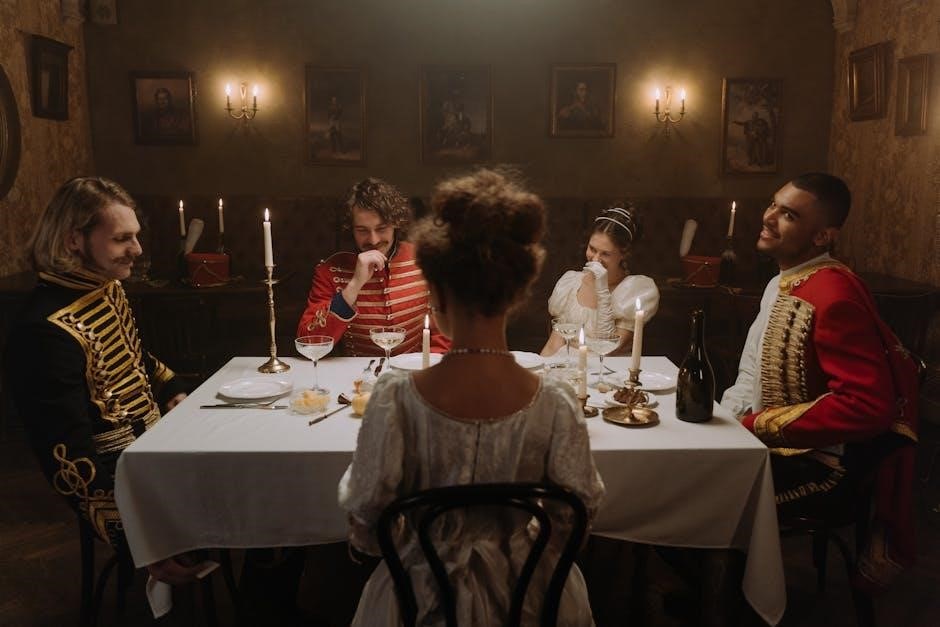
Costumes play a crucial role in establishing character and period‚ vividly portraying the eccentricities of the British aristocracy. The quick-change artistry‚ with actors portraying multiple D’Ysquith family members‚ is a hallmark of the show’s staging. Lighting and projections further enhance the transitions‚ creating a dynamic and visually engaging experience. The overall effect is a theatrical spectacle that complements the show’s farcical plot and witty dialogue‚ enhancing the comedic timing and narrative flow.
Critical Reception & Awards
A Gentleman’s Guide to Love and Murder garnered widespread critical acclaim upon its Broadway debut‚ lauded for its ingenious plot‚ witty script‚ and exceptional performances. Critics particularly praised the actor portraying all eight D’Ysquith relatives‚ highlighting the remarkable feat of comedic timing and character differentiation. The show’s inventive staging and musical numbers also received significant praise‚ contributing to its overall success.
The production was a major awards contender‚ winning four Tony Awards in 2014‚ including Best Musical‚ Best Direction of a Musical‚ Best Performance by an Actor in a Leading Role in a Musical‚ and Best Costume Design. It also received nominations in several other categories‚ solidifying its position as a standout production. This recognition cemented its place as a modern musical theatre classic‚ celebrated for its clever blend of dark humor and theatrical innovation.
The Show’s Popularity & Revival Performances
Following its successful Broadway run‚ A Gentleman’s Guide to Love and Murder quickly gained a devoted following‚ becoming a popular choice for regional theatres and touring productions. The show’s appeal lies in its unique premise – a darkly comedic tale of one man’s desperate attempt to climb the social ladder through increasingly elaborate schemes. The intricate plot‚ coupled with memorable characters and catchy musical numbers‚ resonated with audiences across the country.
Revival performances continue to showcase the show’s enduring charm‚ with recent productions demonstrating its continued relevance and comedic power. These revivals often feature fresh interpretations of the characters and staging‚ while remaining true to the original’s spirit. The enduring popularity speaks to the timeless nature of its themes – ambition‚ greed‚ and the lengths people will go to for love and status.
Similar Works & Influences (e.g.‚ Arsenic and Old Lace)
A Gentleman’s Guide to Love and Murder shares thematic and comedic DNA with classic works like Arsenic and Old Lace‚ both revolving around families concealing dark secrets and engaging in murderous plots with a lighthearted tone. The influence of farcical comedies is evident in the show’s rapid-fire wit‚ physical humor‚ and improbable situations. Like its predecessors‚ it utilizes dark humor to explore societal norms and the absurdity of human behavior.
The show also echoes elements of Victorian-era thrillers and detective stories‚ employing tropes of suspense and intrigue while simultaneously subverting them for comedic effect. Monty Navarro’s elaborate schemes and disguises recall the cunning protagonists of classic mystery novels. Ultimately‚ A Gentleman’s Guide builds upon a rich tradition of comedic storytelling‚ blending elements of farce‚ satire‚ and murder mystery into a uniquely entertaining package.
Analyzing the Satire of British Aristocracy
A Gentleman’s Guide to Love and Murder delivers a sharp satire of the British aristocracy‚ portraying the D’Ysquith family as pompous‚ self-absorbed‚ and utterly oblivious to the world outside their privileged bubble. The plot hinges on Monty Navarro’s ambition to infiltrate this closed society‚ exposing its superficiality and moral decay through a series of darkly comedic murders.
Each D’Ysquith represents a different facet of aristocratic excess‚ from Sir Everard’s rigid traditionalism to Lord Asquith’s detached diplomacy. The show lampoons the inherited wealth and social status that define their existence‚ highlighting the absurdity of their claims to superiority. Monty’s actions‚ while extreme‚ serve as a commentary on the lengths to which individuals will go to achieve social mobility and challenge established power structures‚ ultimately questioning the very foundations of the British class system.
The Ending & Its Moral Ambiguity
The climax of A Gentleman’s Guide to Love and Murder presents a morally ambiguous resolution‚ as Monty Navarro seemingly achieves his goal of becoming the Duke‚ yet at a tremendous cost. Having eliminated all eight D’Ysquith relatives‚ he stands to inherit the title‚ but the play doesn’t offer a straightforward celebration of his success.
Sibella’s ultimate choice to leave Monty‚ realizing his ambition outweighs genuine affection‚ underscores the emptiness of his victory. The final scene leaves the audience questioning whether his pursuit of status was worth the sacrifices made‚ and whether true happiness can be found through deceit and murder. The play deliberately avoids a clear moral judgment‚ prompting reflection on the corrupting influence of power and the complexities of human desire‚ leaving a lingering sense of unease.