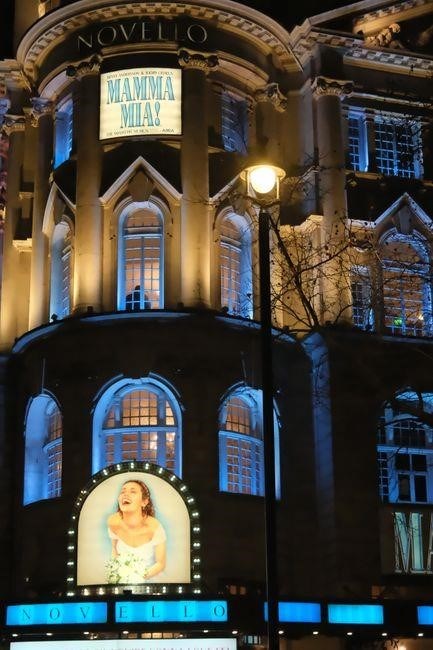
mamma mia script pdf
Discover the iconic Mamma Mia! script in PDF form, capturing the vibrant story, memorable songs, and lively dialogue. This guide offers a concise overview, setting the stage for deeper exploration of the musical. Enjoy!Thanks
Why People Seek the Script
Fans, students, and theater professionals crave the Mamma Mia! script PDF for rehearsal, study, and performance preparation. Its accessible format allows detailed analysis of lyrics, staging, and character arcs. Enjoy!!!
Reasons for Interest
There are several compelling motivations behind the growing demand for the Mamma Mia! script in PDF format. First, the musical’s timeless storyline and infectious pop‑era soundtrack have made it a staple in community and regional theater productions worldwide. Directors and actors need a reliable, portable reference to study character motivations, song placements, and stage directions without the bulk of a printed book. Second, students of musical theater and playwriting use the script as a learning tool, dissecting its structure, pacing, and lyrical integration to understand how composers blend narrative with popular music. Third, the PDF format allows instant access during rehearsals, enabling quick updates to blocking notes or rehearsal cues that can be shared electronically with cast and crew. Fourth, collectors and enthusiasts appreciate the convenience of a digital copy for personal archives, especially when physical copies are scarce or expensive. Finally, the script’s popularity fuels a vibrant online community where fans exchange analysis, performance tips, and creative adaptations, all of which thrive on having a readily available, shareable source document. Together, these factors create a strong, ongoing interest in obtaining a high‑quality Mamma Mia! script PDF for both professional and personal use.

Legal Considerations
Copyright governs the Mamma Mia! script PDF. Unauthorized sharing violates law. Obtain proper licenses for public or commercial use to respect creators’ rights and avoid legal penalties. Verify source to avoid piracy now.
The copyright status of this musical’s script remains protected under current intellectual property laws, granting exclusive rights to the original creators and authorized publishers. Any reproduction, distribution, or public performance without proper licensing constitutes infringement, potentially leading to civil penalties or statutory damages. The work is typically covered by a combination of copyright, performance rights, and possibly licensing agreements that dictate how it may be accessed for educational, rehearsal, or commercial purposes. Institutions seeking to use the text for study or production must secure a legitimate license, often through official channels or licensed distributors. Unauthorized copies circulating online may be removed swiftly by enforcement agencies, and users who download or share them risk legal action. Therefore, it is essential to verify the source, confirm the legitimacy of the license, and adhere to all applicable regulations to avoid infringement and respect the creators’ rights. In practice, obtaining a licensed copy ensures compliance with all legal frameworks, protects intellectual property, and supports the continued success of the production worldwide. audiences 2024.
How to Obtain Legally

To acquire a legal copy of the Mamma Mia! script in PDF format, you should purchase it from an authorized distributor or through a licensed library service, ensuring compliance with copyright laws and supporting the creators. This approach guarantees that the rights holders receive proper compensation, and it protects you from potential legal issues that arise from unauthorized use. By obtaining the script through official channels, you also gain access to high‑quality, error‑free versions that are suitable for rehearsals, productions, and academic study. Many publishers offer digital downloads that can be saved securely, while libraries may provide temporary access for research purposes. Always verify the authenticity of the source, and keep the purchase receipt or license documentation for future reference or audit requirements. If you are part of a theater company, consider requesting a group license that covers multiple performances and allows you to share the script with cast and crew. For educational institutions, check if your library has a subscription to a licensed database that includes the full script. In all cases, respecting the intellectual property rights of the creators ensures that the musical can continue to thrive and reach new audiences worldwide. Enjoy. Thanks

Sources for Mamma Mia! Script PDF
Here are reliable sources: official publishers, licensed libraries, and reputable online marketplaces. Always verify authenticity and ensure the PDF is DRM‑free for safe use. Enjoy. Check the site for licensing info.! now
Official Publishers
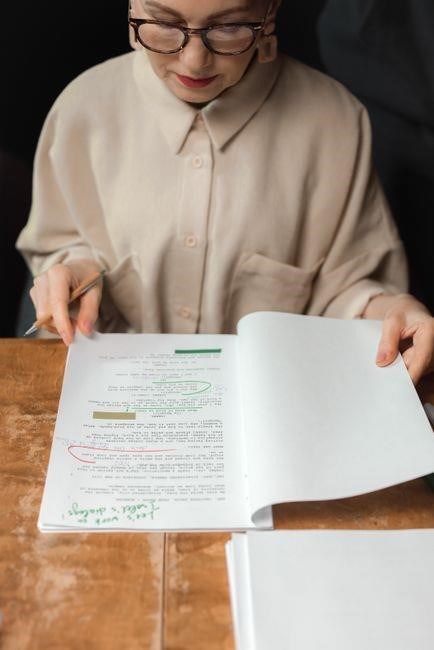
For those seeking a legitimate copy of the Mamma Mia! script in PDF format, the most reliable source is the original publisher. This company holds the rights to the musical’s text and offers authorized editions that include all stage directions, character notes, and the original lyrics. Purchasing directly from the publisher guarantees that the PDF is free from unauthorized alterations, ensuring fidelity to the original script. Official releases often come with a digital watermark or license agreement that clarifies usage rights, preventing accidental infringement. When selecting a publisher, confirm that the edition is the most recent version, as revisions are occasionally made to reflect updates in choreography or musical arrangement. Many publishers also provide digital downloads compatible with tablets, laptops, or smartphones, allowing actors, directors, and students to access the material on the go. This source guarantee quality and authenticity.
Online Libraries and Databases
Digital archives and academic repositories often host licensed copies of theatrical scripts. Platforms such as the Theatre Collection at the University of Oxford, the Digital Library of the New York Public Library, and the National Library of Australia provide searchable PDF downloads for registered users. These institutions typically require a library card or institutional login, ensuring that access is controlled and that the material is used for research or educational purposes. Many of these databases often offer advanced filtering options, allowing users to locate specific productions, revisions, or annotated versions. For example, the International Index to Theatre and Performance aggregates links to official script PDFs, while the WorldCat database can direct users to nearby libraries that hold the physical or digital copy. Users should verify licensing status on each entry; some are marked as “public domain” or “open access,” others are restricted and require a subscription or one‑time fee. When downloading, verify the digital signature or checksum to confirm file integrity in a secure manner. Additionally, many libraries provide a preview mode, letting you skim the script before committing to a download, which helps ensure you are retrieving the correct version for authorized use.
Community Forums and Fan Sites
Dedicated fan communities often share insights, discussion threads, and occasionally links to official or licensed script PDFs. Popular platforms include ScriptFellow, Backstage, and TheatreOnline. These sites host moderated forums where users exchange annotated versions, rehearsal notes, and production tips. Member upload scanned PDFs, but verify the status. Many forums provide verified badges for official posts. Additionally, fan sites such as Mamma Mia Fans host discussion boards, where experienced directors and actors share rehearsal scripts, stage directions, and casting suggestions. These communities offer commentary script edits, helping newcomers. Participation in such forums can grant access to exclusive resources, including rehearsal guides and director’s notes, often available only to registered members. Engaging with these networks provides a supportive environment for learning and collaborating on theatrical productions. These forums also serve as a hub for sharing rehearsal strategies, costume design ideas, and lighting concepts, enriching every production’s creative process!!

Downloading the PDF Safely
Always use HTTPS, trusted sites, and verify file signatures. Scan downloads with antivirus, keep software updated, avoid torrents. Stick to publishers or licensed distributors and scan now!!.
Using Secure Connections
When downloading a Mamma Mia! script PDF, always verify the site uses HTTPS, indicated by a lock icon. Confirm the domain matches the official publisher or a trusted distributor. Avoid sites that redirect to unfamiliar domains or use plain “http://”. If a download button appears, click only after the secure connection is confirmed. Using a VPN adds an extra encryption layer, masking your IP and protecting against interception. After the file downloads, check any provided checksum against a locally generated one to ensure integrity. A mismatch signals tampering. By following these precautions, you can safely obtain the script without exposing your device to malware or data theft!!!
Before opening the PDF, run it through an antivirus scanner to detect any hidden malware. Additionally, consider using a sandbox to isolate the file during initial inspection. If the script is intended for performance, you may want to print a hard copy to review stage directions and musical cues. Finally, keep a backup copy in a cloud location or drive for future reference!!!
Verifying File Integrity
Ensuring a downloaded Mamma Mia! script PDF is unaltered is crucial. Begin by comparing the file’s checksum, such as SHA‑256, against the value supplied by the source. Most legitimate distributors provide a hash string; if absent, request it or use a reputable mirror that lists checksums. After downloading, open a terminal or use a dedicated tool to compute the hash: sha256sum script.pdf on Linux, CertUtil -hashfile script.pdf SHA256 on Windows, or a GUI app on macOS. The resulting string must match the source’s hash exactly; any discrepancy indicates corruption or tampering. Next, verify the PDF’s internal structure with a validator like PDF Online Validator. A clean report confirms the file’s integrity and adherence to PDF standards. Finally, scan the file with up‑to‑date antivirus software before opening. If the file passes all checks, you can safely read, annotate, or print the script for rehearsal or performance use. Maintaining these steps protects both your device and the authenticity of the material. Happy reading! Additionally, if the publisher offers a digital signature, verify it with the provided public key. A valid signature confirms the file’s origin and that it has not been altered since signing. Use tools like Adobe Acrobat Reader’s signature panel or command‑line utilities such as OpenSSL to perform the verification. Remember to keep the original hash and signature data for future reference, especially if you plan to share the script with collaborators. By following these systematic checks, you preserve the authenticity and safety of the Mamma Mia! script PDF throughout its lifecycle.

Reading the Script Effectively
Read the Mamma Mia! script PDF by first skimming the outline, then focusing on character arcs. Highlight key lines, note musical cues, and annotate stage directions. Practice aloud to capture rhythm and emotion. Enjoy! Now.
Understanding Stage Directions
Stage directions in the Mamma Mia! script PDF guide actors, directors, and designers through every beat. They appear in italics, and often bracketed, indicating movement, lighting, sound, and emotional beats. A typical line reads: [Lights up. The stage is a Greek island kitchen. A chair sits center stage.] This informs the set designer that the kitchen must feel open and airy, while the lighting designer knows to use golden hues. The director uses these cues to pace the musical numbers flow seamlessly with dialogue. When a character’s entrance is marked [Enter Rosie, clutching a bouquet], the actor must time the entrance to match the musical tempo, creating a transition. Stage directions also signal emotional subtext; for example, [She smiles, but her eyes are sad] tells the performer to layer a bittersweet expression. In rehearsal, reading the script aloud while pausing at each direction helps the cast internalize timing and spatial relationships. For designers, the directions provide a blueprint for layout, placement, and rigs. A script ensures that every team member aligns with the director vision, resulting in a cohesive production that honors the spirit. The bright atmosphere boosts the happy experience.
Tips for Actors and Directors
Actors should first immerse themselves in the original recordings, noting vocal nuances and comedic timing. Study the script’s rhythm: each line often aligns with a musical phrase, so matching the beat enhances authenticity. When rehearsing, practice with a metronome or backing track to maintain tempo, especially during ensemble numbers. Directors must balance the musical numbers with dramatic beats; use blocking to keep the stage dynamic while ensuring clarity of the narrative. Pay attention to the script’s stage directions—stage exits, entrances, and physical interactions often carry subtext. Encourage actors to explore emotional subtext behind the upbeat lyrics; a sincere performance can elevate the humor. Rehearsals should include full run-throughs with lighting cues to gauge pacing. Directors should also collaborate closely to synchronize vocal arrangements with stage action. Finally, maintain open communication: actors should feel comfortable discussing challenging passages, while directors should provide constructive feedback that respects the script’s integrity.
and Further Resources
Explore additional guides, annotated scripts, and rehearsal notes to deepen your understanding of Mamma Mia! PDF. Visit official sites and scholarly articles for comprehensive study.
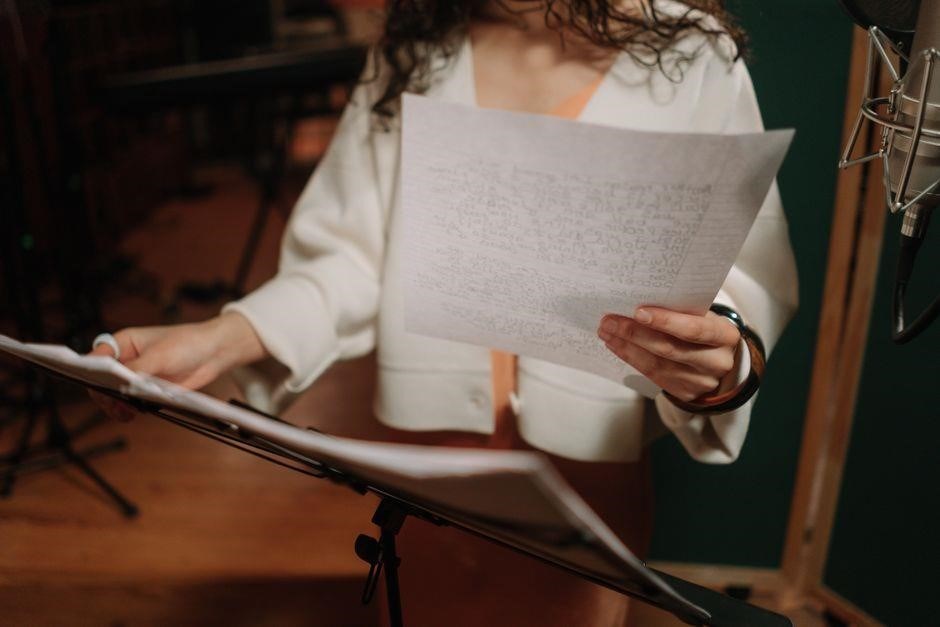
Additional Study Materials
For those eager to deepen their grasp of the Mamma Mia! script, official commentary offers insights into character motivations and directorial cues. Scholarly articles dissect the musical’s structure, lyrical composition, and cultural impact, while academic journals analyze narrative arcs and ABBA’s catalog integration. Workshops and masterclasses led by seasoned directors cover blocking strategies, vocal techniques, and ensemble cohesion, providing practical guidance. Visual learners can review live performance recordings to study stagecraft, costume design, and audience reception. Finally, online forums and fan communities share rehearsal notes, production diaries, and interpretive choices, enriching understanding and equipping performers to bring the story to life on stage. Additionally, many universities offer courses on musical theatre that include analysis of Mamma Mia! as a case study. These classes cover script adaptation, musical numbers placement, and reception. By engaging with academic resources, readers students us gain a view that informs rehearsal and performance decisions! more